

Is it possible that the sleek solar panels you’ve been eyeing are actually the final piece of your home’s energy puzzle, rather than the first? It’s a common dilemma for those facing rising energy costs and the persistent chill of a drafty room. You might feel overwhelmed by conflicting advice or the fear that modern upgrades could lead to damp issues. Understanding what is a fabric first approach to retrofit is the key to moving past this confusion. This philosophy suggests that the most enduring path to a sustainable sanctuary begins with the building’s physical structure itself.
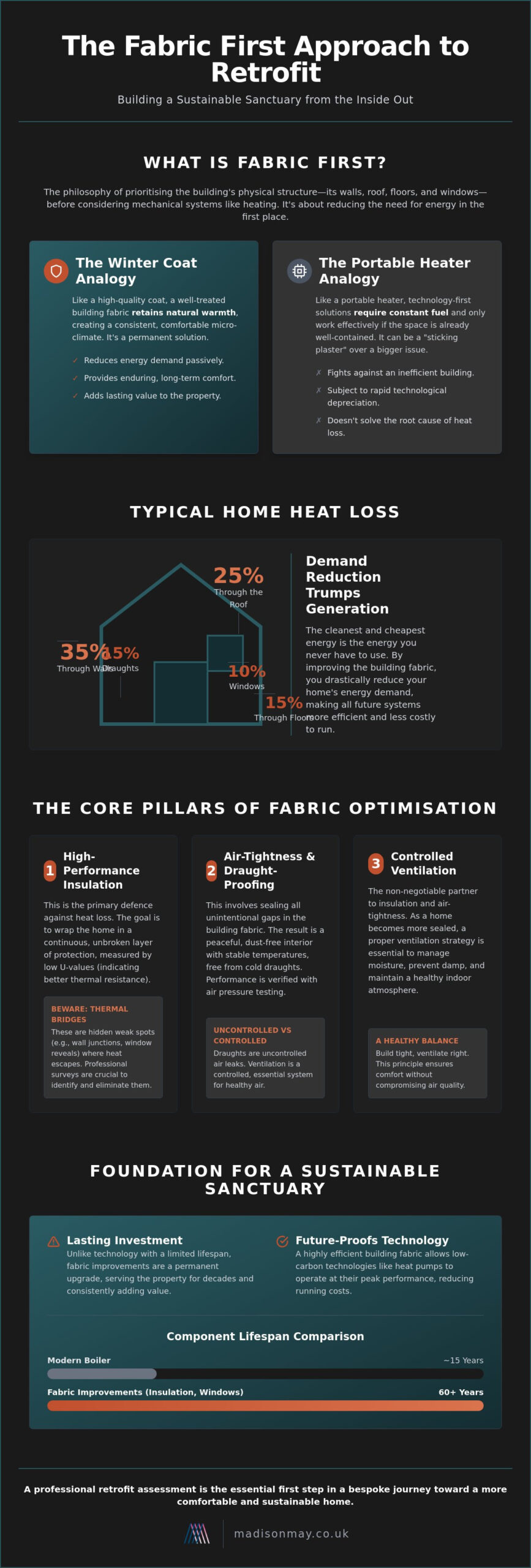
We believe your home should be a place of refined comfort and quiet confidence. By prioritising the building envelope, you ensure that every ounce of energy used is kept exactly where it belongs. In this guide, we’ll explore how a meticulous focus on insulation, high-performance windows, and airtightness reduces heat loss, which typically accounts for 35% through walls and 25% through the roof. You’ll discover how this structural priority not only secures a better EPC rating but also crafts an atmosphere of lasting serenity and warmth.
Key Takeaways
- Understand why prioritising the building envelope is the most effective way to reduce energy demand before considering renewable technologies.
- Discover the three essential pillars—insulation, air-tightness, and thermal bridge reduction—that require meticulous attention to create a truly draught-free environment.
- Learn what is a fabric first approach to retrofit and how investing in your home’s structure provides enduring comfort that outlasts the lifespan of traditional boilers.
- Uncover the non-negotiable relationship between insulation and ventilation to protect your living space from damp and maintain a healthy atmosphere.
- Recognise the value of a professional retrofit assessment as the first step in a bespoke and intentional journey toward a more sustainable lifestyle.
Defining the Fabric First Approach to Retrofit
To truly understand what is a fabric first approach to retrofit, one must look at the home as a living, breathing vessel. This philosophy prioritises the physical structure of a building above the mechanical systems that heat or cool it. Often, homeowners are tempted by the allure of technology first solutions, such as solar panels or high-spec heat pumps, before addressing the fundamental weaknesses in their property’s shell. While these technologies are valuable, they can sometimes act as a sticking plaster over a more significant wound if the building remains inefficient.
Consider the analogy of a high-quality winter coat versus a portable heater. A heater requires constant fuel and only warms the air in its immediate vicinity, whereas a coat retains your natural warmth and creates a consistent, comfortable micro-climate. This focus on the building’s shell is the foundation of energy efficiency in British housing. By refining the fabric, we reduce the very need for energy in the first place, moving away from a reliance on complex machinery and towards a more natural, passive state of comfort.
The Building Envelope: Your Home’s Protective Layer
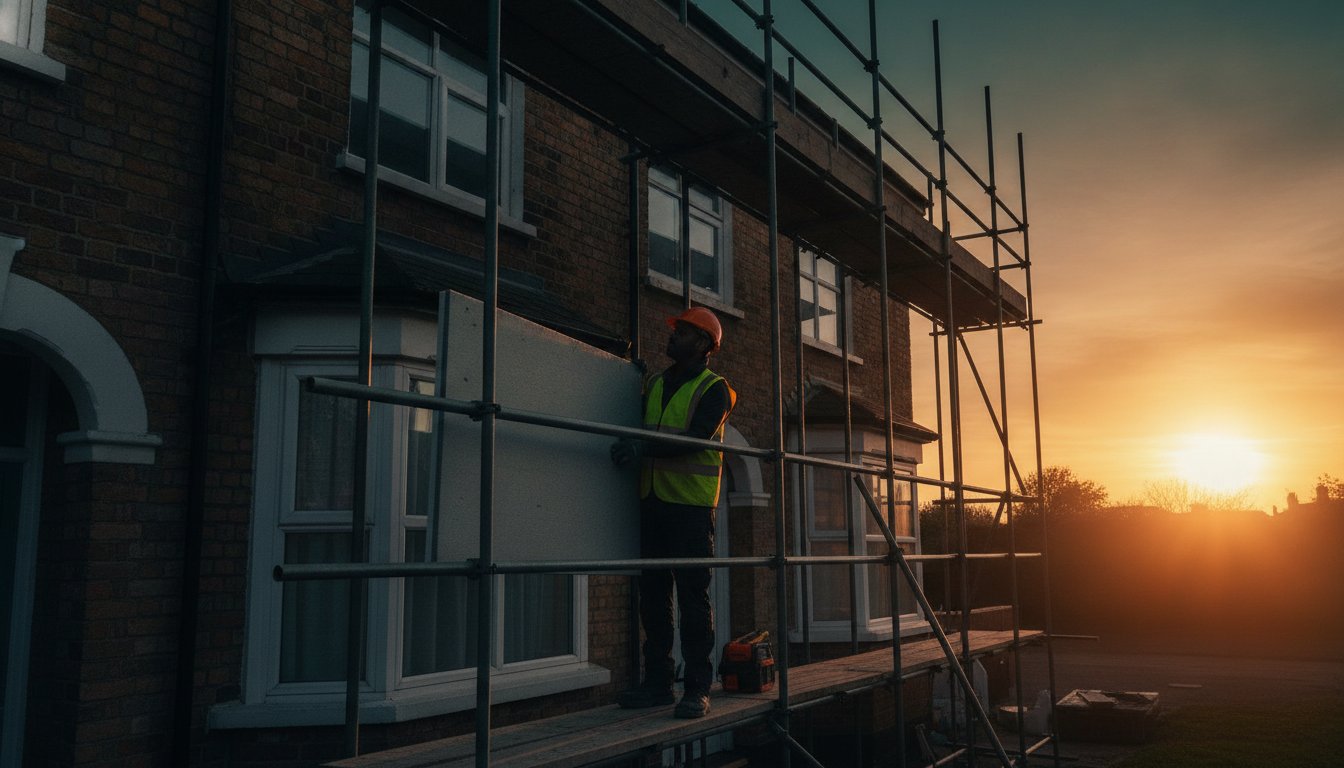
Your home’s envelope is the delicate boundary between your private sanctuary and the unpredictable elements. It encompasses the walls, roof, and floors, acting as a protective layer that defines your daily living experience. When this envelope is meticulously refined, it creates a sense of profound calm and thermal stability. Unlike a boiler that might last fifteen years, a well-insulated wall or a high-performance window is an enduring investment. These structural improvements serve the property for decades, providing a permanent shield against the outside world.
For those seeking professional guidance on these structural improvements, a specialist firm like Underline Energy Concepts offers expertise in integrating roofing and energy efficiency upgrades to create a more resilient building envelope.
Why Demand Reduction Trumps Generation
The Core Pillars of Building Fabric Optimisation
Achieving a serene interior requires more than just high-spec materials; it demands a harmonious balance between three core pillars. When we ask what is a fabric first approach to retrofit, we are essentially looking at the choreography of insulation, air-tightness, and the elimination of thermal bridges. This meticulous coordination ensures that your home doesn’t just look like a sanctuary but feels like one too, providing a sensory experience of steady warmth and profound quiet. It’s a transformative process where every detail is intentional, creating a seamless environment that retains its character whilst performing to modern standards.
High-Performance Insulation and Thermal Bridging
The efficiency of a material is often defined by its U-value, which measures how effectively it resists heat flow. Lower U-values indicate superior performance, and reaching these targets is essential for a successful retrofit. However, even the thickest insulation can be undermined by thermal bridges. These are the hidden weak spots, such as wall junctions or floor edges, where heat escapes more rapidly than through the surrounding structure. Identifying these vulnerabilities requires a discerning eye. Professional building surveys are vital for mapping these escape routes, allowing for a bespoke strategy that wraps your home in a continuous, unbroken layer of protection.
Air-tightness and Draught-proofing
There is a significant difference between controlled ventilation and the uncontrolled draughts that plague older properties. Air-tightness is about sealing the unintentional gaps in the building’s fabric, from leaky floorboards to gaps around service pipes. By addressing these flaws, you create a more peaceful and dust-free interior. Air pressure testing serves as a definitive verification of this performance, ensuring the building’s shell is as robust as intended. This level of craftsmanship transforms the atmosphere of a room, replacing the biting chill of a draught with a calm, steady temperature that lingers long after the heating is turned off.
Glazing: Windows and Doors as Thermal Gatekeepers
Windows and doors are the most communicative parts of your home’s fabric, acting as both visual portals and thermal gatekeepers. Choosing bespoke windows and doors with exceptionally low U-values is a non-negotiable step in the fabric-first journey. The quality of the frames and the precision of the installation are just as critical as the glass itself. When these elements are perfectly aligned, they contribute to the home’s aesthetic and thermal harmony, ensuring that beauty and functionality coexist without compromise. To ensure your project begins with this level of clarity, consider commissioning a detailed EPC improvement plan to highlight your property’s unique requirements.
Why Fabric First is the Foundation of a Sustainable Sanctuary
A home should be more than a series of rooms; it’s a deeply personal refuge where the atmosphere resonates with calm. When considering what is a fabric first approach to retrofit, it’s helpful to view it as the ‘Art of Warmth’. Unlike traditional heating systems that cycle on and off, creating peaks and troughs of temperature, a fabric-first property maintains a gentle, steady equilibrium. This structural focus protects the building’s heritage, ensuring that the very bones of the property are preserved from the ravages of damp and temperature fluctuations.
There is a profound sense of security in the ‘fit and forget’ nature of these measures. While a modern boiler or heat pump may require replacement after 15 or 20 years, high-quality insulation and well-installed glazing are enduring legacies. They become part of the property’s identity, providing silent service for decades without the need for complex maintenance or software updates. This approach prioritises the permanent over the transient, grounding your sanctuary in quality that lasts for generations.
Enhancing Indoor Comfort and Wellbeing
The sensory impact of a refined building fabric is immediate. By ensuring that internal surfaces remain at a consistent temperature, you eliminate the uncomfortable ‘cold wall’ effect that often draws heat away from your body. This radiant warmth allows you to feel perfectly at ease even at lower air temperatures. Beyond the thermal benefits, the acoustic dampening provided by superior insulation creates a quiet refuge from the outside world. This stillness contributes to better sleep and a more relaxed living experience, where the home truly becomes a place of restoration.
Future-Proofing and Compliance
The importance of a property’s energy performance cannot be overstated. For landlords, the requirement to reach an EPC rating of C by October 2030 is a looming reality that demands action today. Even for homeowners, a high rating is an outward expression of a property’s value and long-term viability. A meticulous EPC improvement plan provides a strategic roadmap for this journey. By aligning with the principles of the Future Homes Standard now, you ensure your home remains compliant and desirable in an evolving market.
The Crucial Interplay Between Fabric and Ventilation
A common reservation amongst those exploring what is a fabric first approach to retrofit is the fear of moisture. There’s a persistent worry that by sealing a home to retain heat, we might inadvertently trap dampness within the walls. This concern is valid, but it stems from a misunderstanding of how a truly refined building functions. The secret to a healthy sanctuary isn’t just about stopping heat from escaping; it’s about managing the invisible movement of air and moisture with absolute precision. A home that is airtight but poorly ventilated is a failure of design, not a failure of the fabric-first philosophy.
We adhere to a non-negotiable rule: you must ventilate when you insulate. In a traditional property, air often moves through gaps and cracks in an uncontrolled, wasteful manner. A professional retrofit replaces this chaotic airflow with a sophisticated, controlled system. This ensures that whilst the building remains airtight enough to hold warmth, the air you breathe is always fresh and free from the humidity that leads to mould. This balance is what transforms a house from a drafty structure into a serene, breathing environment.
Understanding Moisture Risk in Retrofit
Condensation occurs when warm, moist air meets a cold surface. By insulating a property, we change the temperature profiles of its walls and ceilings. If this isn’t handled with a meticulous eye, you risk creating ‘cold spots’ where moisture can settle. For heritage properties, the choice of materials is vital. Using breathable, natural fibres allows the building to perspire naturally, maintaining its structural integrity over decades. A specialist ventilation assessment is the only way to ensure your home’s unique biology is respected before any insulation is added.
PAS 2035: The Standard for Quality and Safety
Safety and quality are the cornerstones of any meaningful transformation. In the UK, PAS 2035 provides the essential framework for domestic retrofitting, mandating a ‘Whole House’ view. This standard ensures that every measure, from loft insulation to draught-proofing, is considered as part of a larger, interconnected system. It acts as a guardian for the homeowner, protecting you from the risks of isolated, poorly planned interventions. By following this professional framework, you ensure that every material chosen is fit for purpose and every installation is executed with the care your sanctuary deserves.
Navigating Your Retrofit Journey with Expert Guidance
Embarking on a whole-house transformation is a deeply personal endeavour that requires a visionary guide. Whilst the technical definition of what is a fabric first approach to retrofit focuses on the building’s physical shell, the reality of the journey is an artistic and intentional process. It begins not with the sounds of construction, but with a quiet, meticulous period of listening and assessment. By placing your trust in a professional Retrofit Assessor, you ensure that every material is chosen with care and every detail serves your personal story, creating a home that is as functional as it is beautiful.
The role of the Retrofit Coordinator is perhaps the most vital in this journey, serving as a guardian of quality and a sophisticated guide through the complexities of design. They ensure that the intersection of performance and aesthetics is never a compromise but a natural union. Viewing energy-efficient home improvements as a long-term investment in your lifestyle allows you to move forward with quiet confidence. This isn’t merely a project of refurbishment; it’s the curation of an enduring sanctuary that reflects your identity and values for years to come.
The Value of a Professional Retrofit Assessment
Standard EPCs provide a useful overview, but they often miss the subtle, hidden pathways of heat loss that define a property’s true character. A professional retrofit assessment takes a data-driven approach, utilising building surveys to identify the unique needs of your home. This impartial advice is essential for determining the correct sequence of works, ensuring that your investment is both effective and enduring. By understanding the property’s specific biology, you avoid the pitfalls of generic advice and move toward a bespoke solution that prioritises your comfort and wellbeing.
Taking the First Step Toward Your Sanctuary
Your personal story of home transformation begins with a single, intentional step. We invite you to move beyond the confusion of conflicting advice and embrace a roadmap designed specifically for your property’s future. By finally understanding what is a fabric first approach to retrofit through the lens of your own home, you gain the clarity needed to begin this transformative journey. Booking a fixed-fee assessment is the most reliable way to establish a professional foundation for your project. We encourage you to arrange a consultation to create a bespoke roadmap for your property’s future, ensuring every detail is handled with the grace and poise your sanctuary deserves.
Cultivating Your Enduring Sanctuary
Transitioning your home into a sustainable refuge is a journey of refinement and meticulous care. We have explored how prioritising the building envelope creates a foundation of thermal stability that far outlasts mechanical systems. By understanding what is a fabric first approach to retrofit, you can move away from temporary fixes and toward a permanent improvement in your property’s identity. This strategy ensures that every material chosen contributes to a seamless, draught-free environment whilst respecting the essential need for controlled ventilation and structural health.
Your path to a more energy-efficient and valuable home deserves a roadmap as unique as the property itself. As a specialist energy efficiency consultancy, we provide PAS 2035 compliant reports and meticulous EPC improvement roadmaps to guide your transformation with professional authority. Now is the time to begin your property’s transformation with a professional Retrofit Assessment. With the right expertise and a clear vision, your home will become a serene sanctuary that offers comfort, beauty, and peace of mind for generations to come.
Frequently Asked Questions
Is a fabric first approach more expensive than just installing solar panels?
A fabric first approach is a foundational investment that often yields higher long-term value than solar panels alone. Whilst solar technology generates energy, improving the fabric reduces the very need for it. This permanent reduction in demand means you won’t need to replace expensive technology every fifteen years, making it a more enduring and financially logical starting point for any sustainable sanctuary.
Can I apply a fabric first approach to an older, traditional property?
Traditional properties are perfectly suited to this philosophy, provided the materials used respect the building’s original construction. Using breathable, natural insulation ensures that moisture can move through the walls as intended, preventing the structural decay often caused by modern, non-porous alternatives. It’s a meticulous process that preserves heritage whilst achieving contemporary levels of comfort and efficiency.
Do I need a professional assessment before starting my retrofit?
A professional assessment is essential to ensure your journey is safe, effective, and compliant with standards like PAS 2035. Every home possesses a unique thermal identity, and a bespoke survey uncovers hidden vulnerabilities that generic advice might overlook. This initial consultation serves as a visionary roadmap, ensuring every detail of your transformation is intentional and your investment is protected from common pitfalls.
How does a fabric first approach help with damp and mould?
This approach addresses the root causes of damp by eliminating cold surfaces where condensation typically forms. When we define what is a fabric first approach to retrofit, the integration of controlled ventilation is a non-negotiable element. By balancing high-performance insulation with a sophisticated airflow strategy, you create a dry, healthy atmosphere that actively prevents the conditions required for mould to flourish.
What is the difference between a retrofit and a standard renovation?
Whilst a standard renovation focuses on aesthetic and functional updates, a retrofit is a performance-driven transformation of the building’s energy efficiency. A renovation might involve a new kitchen or layout, but a retrofit meticulously upgrades the walls, floors, and roof to reduce carbon emissions. It’s an artistic journey that prioritises the home’s invisible performance alongside its outward beauty.
How long does it take to see the benefits of a fabric first retrofit?
You’ll notice the sensory benefits of a fabric-first upgrade immediately through improved thermal comfort and a profound sense of quiet. The atmosphere of each room becomes more stable, with fewer draughts and cold spots. Over time, these structural improvements manifest in lower operational costs and a significantly improved EPC rating, securing the long-term value of your sanctuary from the moment work is completed.
Will my home be disrupted for a long time during a fabric first upgrade?
The level of disruption depends on the scale of the measures, but many fabric-first improvements can be phased to suit your lifestyle. Measures like loft insulation or draught-proofing are relatively non-invasive, whilst internal wall insulation may require more coordination. A professional project guardian ensures the process unfolds with calm deliberation, minimising stress and ensuring the transition to your sustainable refuge remains a graceful experience.
Is fabric first required for government energy efficiency grants?
Many government schemes, including the Great British Insulation Scheme and the Warm Homes Plan, specifically prioritise fabric-first measures. These grants are designed to improve the building’s envelope before considering high-tech heating solutions. Following what is a fabric first approach to retrofit often aligns your project with the eligibility criteria for these public investment initiatives, ensuring your home meets future regulatory standards.