

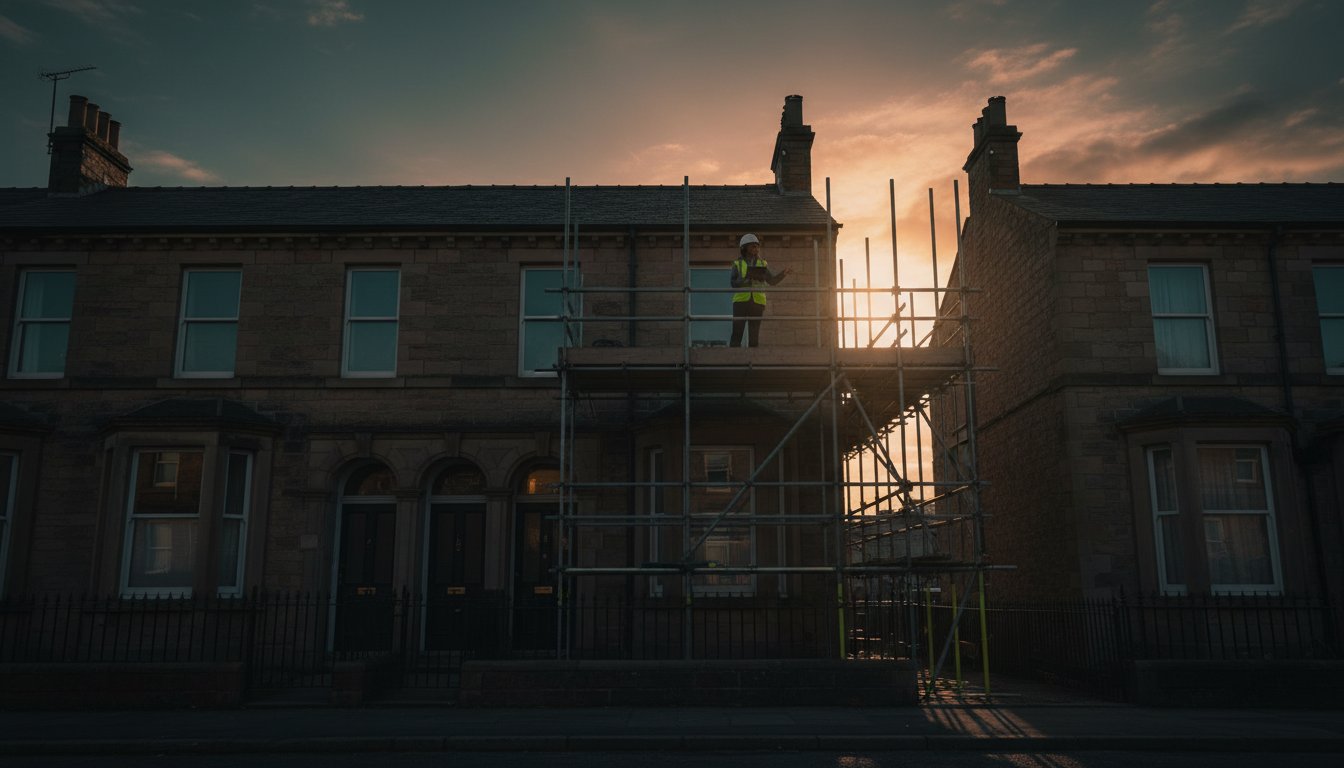
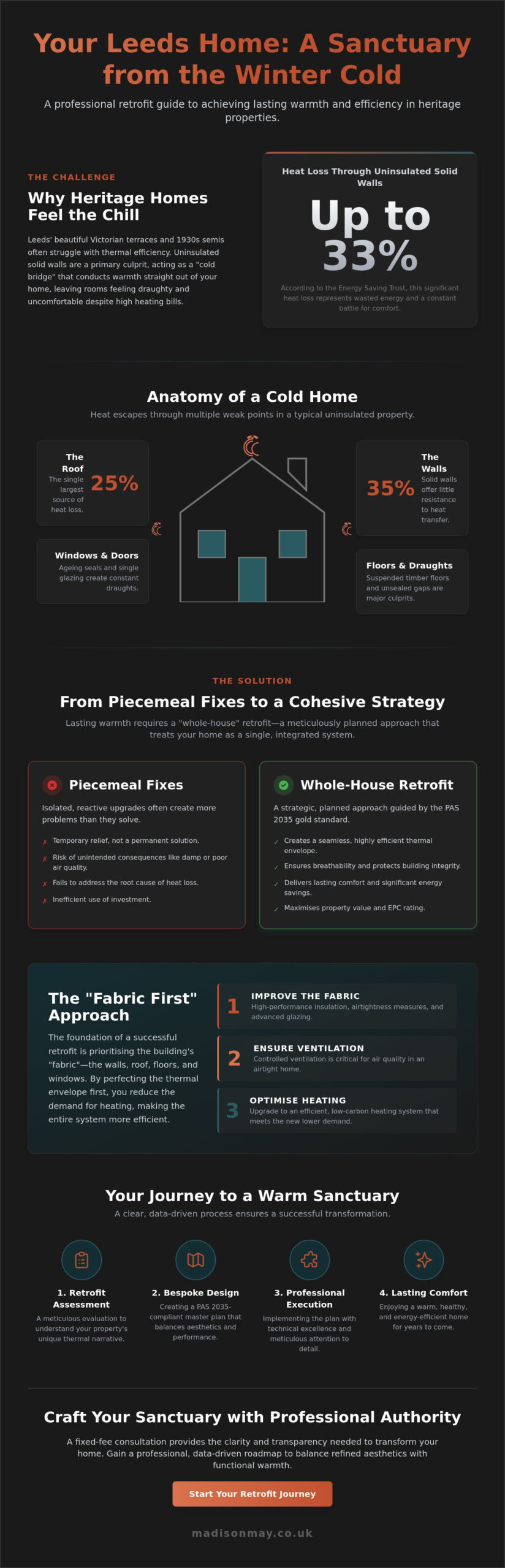
As the first frost of the 2026 winter season settles over the weathered Yorkshire stone of a North Leeds terrace, you might find yourself reaching for a heavier cashmere throw while the thermostat climbs higher without relief. It’s a common frustration for those of us who cherish the heritage of our local architecture but find ourselves wondering how to make my house warmer in winter Leeds without sacrificing its character. You likely agree that a home should be a place of effortless comfort, yet the reality is that uninsulated solid walls can lose up to 33% of a property’s heat according to the Energy Saving Trust, often leaving rooms feeling draughty and cold.
This guide serves as your sophisticated roadmap to achieving a warm, energy-efficient sanctuary through the art of a meticulous whole-house retrofit. We’ll explore how to blend high-performance thermal upgrades with the unique structural needs of historic properties, ensuring your space remains breathable and beautiful. By the end, you’ll understand how to lower your energy costs and increase your property value by securing a superior EPC rating, creating a lasting legacy of comfort for years to come.
Key Takeaways
- Understand how the unique architectural heritage of Leeds, from Victorian terraces to 1930s semis, influences thermal energy loss and requires a bespoke approach to lasting comfort.
- Learn why the PAS 2035 “whole-house” gold standard is essential for creating a seamless, energy-efficient sanctuary that avoids the pitfalls of fragmented, piecemeal upgrades.
- Discover professional strategies for how to make my house warmer in winter Leeds by prioritizing high-performance insulation and window solutions over temporary DIY fixes.
- Identify the critical first steps in your journey, starting with a meticulous Retrofit Assessment to establish a clear, data-driven narrative for your property’s thermal transformation.
- Explore the benefits of a fixed-fee consultation that offers professional authority and transparency, guiding you toward a home that balances refined aesthetics with functional warmth.
Understanding Heat Loss in Leeds Properties: Why Your Home Feels Cold
To discover how to make my house warmer in winter Leeds, you must first confront the silent migration of thermal energy. Heat loss is the process where warmth escapes through the building fabric, leaving interiors feeling thin and uninviting. In Leeds, our architectural heritage spans from the grand Victorian terraces of Roundhay to the 1930s semis of Adel. Each era brings a unique thermal signature. Older properties often suffer from the cold bridge effect, where solid stone or brickwork conducts heat away from the room, bypassing even the most advanced heating systems.
Identifying the common culprits is the first step toward a more comfortable environment. Cold air often finds its way through the most overlooked junctions. The following areas are frequently responsible for a drop in temperature:
- Loft hatches that lack adequate sealing or insulation.
- Suspended timber floors that allow cold air to rise from the crawl space.
- Ageing windows with degraded seals or single glazing.
- Solid masonry walls that lack a thermal break.
A deeper look into Understanding Building Insulation shows how different materials resist heat flow. In an uninsulated home, approximately 25% of heat escapes through the roof, while another 35% is lost through uninsulated walls. These figures represent more than just energy waste; they represent a loss of the sanctuary you’ve worked to create.
The Yorkshire Stone Challenge
Solid stone walls are a hallmark of West Yorkshire, yet they present a distinct challenge compared to modern cavity walls. These structures require a bespoke approach to insulation because they lack the air gap found in homes built after 1920. Breathability is essential. Using the wrong materials can trap moisture and damage the stone’s integrity. Thermal imaging offers a sophisticated way to see this hidden narrative, revealing exactly where the cold air is intruding through the meticulous layers of your home’s construction.
The Emotional Impact of a Cold Home
A home should serve as a sanctuary, a place where the outside world fades away. When you’re constantly aware of a draft or a cold spot, that sense of peace is compromised. Thermal comfort is deeply linked to well-being and domestic harmony. Creating a warm environment isn’t just about the thermostat; it’s about crafting a space that feels protective and serene. A warm home is the essential foundation of a curated, intentional lifestyle, allowing you to focus on the moments that matter most within your walls.
The Whole-House Retrofit Strategy: A Meticulous Approach to Warmth
To truly understand how to make my house warmer in winter Leeds, one must look beyond the simple addition of a thicker rug or a higher thermostat setting. Lasting comfort requires a transition from fragmented, piecemeal upgrades to a cohesive architectural vision known as the whole-house retrofit. This methodology, governed by the PAS 2035 gold standard, ensures that every modification to your property is part of a singular, curated narrative of efficiency. When homeowners choose isolated improvements without a master plan, they often encounter unintended consequences like poor air quality or thermal bridging. A professional Retrofit Assessment provides the necessary clarity, offering a bespoke roadmap that aligns with your home’s unique heritage and structural needs.
This strategic approach is particularly vital when navigating the various avenues of Financial Support for Home Energy Upgrades currently available in the UK. By grounding your project in technical excellence rather than temporary fixes, you ensure that every pound invested contributes to a sanctuary that remains effortlessly temperate. It’s about creating a home that breathes with you, maintaining its soul while embracing modern performance.
Fabric First: The Foundation of Warmth
The essence of a high-performance home lies in its “fabric,” the physical materials that separate your private sanctuary from the Yorkshire elements. Prioritising a fabric-first approach is the most rhythmic way to upgrade, ensuring the building’s envelope is secure before considering complex heating systems. This hierarchy begins with meticulous insulation, moving from the loft where heat naturally escapes to the more complex challenges of solid or cavity walls. High-performance windows and doors act as the final seal, preventing the subtle drafts that often disrupt the stillness of a room. By following Meticulous PAS 2035 standards in West Yorkshire, you guarantee that these materials are installed with the precision they deserve, creating a seamless barrier against the cold.
The Role of the Retrofit Coordinator
Managing the intersection of multiple energy-saving measures requires a level of oversight that goes beyond traditional contracting. The Retrofit Coordinator acts as a sophisticated guide, ensuring that every technical standard is met with quiet confidence. They manage the complexity of the project, from the initial assessment to the final handover, ensuring that the integration of new technologies doesn’t compromise the aesthetic or structural integrity of your space. This professional stewardship provides a sense of ease, allowing you to focus on the emotional transformation of your home while they handle the intricate details of compliance and performance. If you are ready to begin this journey, you might consider how a bespoke design consultation can align these technical requirements with your personal vision for a refined, warmer winter retreat.
Beyond the Draught Excluder: Comparing Quick Fixes and Professional Upgrades
While a velvet draught excluder or a roll of reflective foil behind a radiator might offer a fleeting sense of progress, these measures rarely address the fundamental thermal narrative of your home. Realising how to make my house warmer in winter Leeds requires a shift in perspective, moving away from temporary bandages toward a holistic retrofit strategy. A DIY draught strip might reduce heat loss by a marginal percentage; however, it leaves the structural cold bridges of a period property untouched. Professional upgrades, such as internal wall insulation or bespoke glazing, provide a permanent thermal envelope that transforms the very soul of a living space.
The Myth of the Quick Fix
Internet trends often promote “hacks” that promise significant warmth for the price of a coffee. In reality, placing foil behind a radiator typically yields a negligible 1% to 3% improvement in heat retention. These methods often mask deeper structural issues like failing mortar or porous masonry. Ignoring a professional retrofit assessment can lead to hidden costs later. When a homeowner attempts to seal a room without understanding the building’s breathability, they risk trapping moisture. Statistics from the Energy Saving Trust indicate that poor ventilation in an airtight space can increase internal humidity by over 20%, leading to the silent arrival of damp and mould. True comfort isn’t about surviving the cold; it’s about curated interventions that allow you to thrive in a year-round retreat.
Selecting Timeless Materials
Investing in your home’s future requires a meticulous selection of materials that honour the architecture while providing modern performance. High-quality insulation, such as wood fibre or breathable mineral wool, respects the heritage of Leeds’ stone and brick properties. These materials offer longevity that synthetic alternatives cannot match, ensuring the thermal integrity of your sanctuary remains intact for decades. The integration of energy-efficient elements should always be a seamless marriage of functionality and beauty. By choosing bespoke solutions, you ensure that your home remains a reflection of your personal style rather than a compromise on efficiency. You can explore this further by reading our guide on Choosing Elegant Windows & Doors for Your Sanctuary.
The return on investment for a professional retrofit consultancy extends beyond the utility bill. Consider these long-term benefits:
- Structural Preservation: Breathable materials prevent the timber rot and masonry decay associated with cheap, non-permeable insulation.
- Aesthetic Harmony: Bespoke upgrades maintain the visual narrative of your home, potentially increasing property value by 5% to 10% according to industry benchmarks.
- Precision Comfort: Professional heat loss calculations ensure every room reaches a consistent, soothing temperature without the need for constant thermostat adjustments.
Understanding how to make my house warmer in winter Leeds is a journey that begins with a visionary plan. By prioritising quality over convenience, you create a home that is not just a shelter, but a meticulously crafted environment of lasting warmth.
Step-by-Step Guide: Preparing Your West Yorkshire Sanctuary for the 2026 Winter
Creating a truly temperate environment requires more than a simple thermostat adjustment; it demands a curated approach to the building’s soul. The journey toward a more resilient home begins with a meticulous Retrofit Assessment. This isn’t a mere survey; it’s a deep exploration of your property’s thermal DNA, conducted under PAS 2035 standards to ensure your vision is grounded in technical reality. A professional assessor provides the essential roadmap, preventing the common mistake of investing in expensive technology before the building is ready to hold that warmth.
Once your baseline is established, you can begin the transformation by addressing the “low-hanging fruit.” This involves sealing the delicate gaps around timber frames and ensuring your loft insulation meets the modern 270mm depth recommended by the Energy Saving Trust. These small, thoughtful touches are the first steps in understanding how to make my house warmer in winter Leeds, providing immediate relief from the biting Yorkshire chill without a significant structural overhaul.
- Step 1: Secure a professional Retrofit Assessment to define your property’s specific thermal needs.
- Step 2: Execute precision draught-proofing and upgrade loft insulation to at least 270mm.
- Step 3: Review your home’s breathability to ensure a healthy living environment.
- Step 4: Invest in high-impact fabric upgrades like external wall insulation or triple glazing.
- Step 5: Calibrate your heating system only after the building fabric is secure and airtight.
Breathtaking Ventilation: The Unsung Hero
A warmer home must also be a home that breathes. When we seal our properties to retain heat, we risk trapping moisture, which leads to the “insulation-damp” cycle often seen in West Yorkshire’s older stone housing stock. Adhering to Part F of the Building Regulations isn’t just a legal necessity; it’s a commitment to your health. Proper ventilation ensures that your sanctuary remains fresh and free from the structural decay caused by condensation. For a deeper look at protecting your home’s integrity, explore our guide on Solving Damp & Mould in West Yorkshire Homes.
The Local Leeds Context
Navigating the architectural heritage of Leeds requires a sophisticated touch. If you’re considering external wall insulation or window replacements in conservation areas like Roundhay or Saltaire, you’ll need to work closely with Leeds City Council planning departments. For the 2026 season, homeowners should look toward the West Yorkshire Combined Authority for potential funding through the Home Upgrade Grant (HUG2) or local decarbonisation schemes. Finding trusted local craftsmen is paramount; we recommend seeking professionals who operate under a formal Retrofit Coordinator to ensure every detail of your project is executed with the precision it deserves.
Discover how a bespoke design consultation can transform your home into a high-performance sanctuary that reflects your personal narrative.
Crafting Your Sanctuary with Madison May: The Journey to a Warm, Efficient Home
True warmth isn’t just a reading on a thermostat; it’s a feeling of complete envelopment in a space that understands your needs. At Madison May, we move beyond the clinical nature of energy audits to provide a narrative of your home’s potential. If you’ve been searching for how to make my house warmer in winter Leeds, the answer lies in a meticulous, whole-house philosophy that treats your property as a living, breathing entity. We replace the ambiguity of traditional home improvements with a fixed-fee assessment. This transparency ensures you receive professional authority without hidden agendas, focusing entirely on your lifestyle and the heritage of your property.
Our approach elevates the conversation from simple utility to the creation of an emotional sanctuary. We understand that a Leeds home is more than a structure; it’s a reflection of your journey. By translating complex retrofit data into a clear, actionable story, we empower you to make decisions that balance sophisticated aesthetics with thermal excellence. This process ensures that every penny of your investment contributes to a home that feels as good as it looks, providing a sense of calm that only a truly efficient space can offer.
Our Meticulous Process
Our journey begins with a deep dive into data. We use precision tools to build a complete picture of your home’s thermal performance, identifying exactly where heat escapes through thermal bridges or insufficient insulation. This isn’t a generic checklist. It’s the foundation for a bespoke EPC Improvement Plan. This roadmap details every necessary enhancement, from advanced glazing to breathable wall treatments, ensuring each choice resonates with the aesthetic soul of your residence. Throughout this transformation, a dedicated Retrofit Coordinator serves as your guide. They manage the technical complexities and ensure the highest standards of craftsmanship, so you can focus on the evolving beauty of your sanctuary.
Begin Your Transformation
Planning for the colder months shouldn’t be an act of desperation when the temperature drops. The most effective time to consider how to make my house warmer in winter Leeds is well before the first frost settles on the Yorkshire landscape. This foresight allows for a calm, considered approach to renovation, avoiding the rush of emergency repairs. There’s a profound peace of mind that comes from living in a home that reflects your values and protects your comfort. You deserve a space that isn’t just efficient, but is also a curated reflection of your personal story. Schedule your bespoke Retrofit Assessment in Leeds today to begin crafting an elegant, high-performance retreat that stands the test of time.
Embracing a Future of Refined Warmth in Your Leeds Home
The path to a truly comfortable sanctuary begins with looking past the surface of temporary fixes. By adopting a whole-house retrofit strategy, you move beyond the limitations of draught excluders to address the core efficiency of your property. Our approach integrates meticulous craftsmanship with technical precision, ensuring your residence isn’t just heated, but inherently warm. Understanding how to make my house warmer in winter Leeds requires more than just a new boiler; it demands a curated roadmap tailored to the unique architectural heritage of West Yorkshire properties.
We believe every home tells a story, and yours deserves a narrative of enduring comfort. Our PAS 2035 Aligned Assessments provide a rigorous foundation for this transformation, while our Detailed EPC Improvement Roadmaps offer a clear, professional path toward a more efficient future. Drawing on our expert West Yorkshire local knowledge, we ensure every recommendation respects both the environment and the soul of your space. It’s time to transform your living environment into a haven that remains serene even during the harshest winters.
Begin your journey to a warmer home with a Madison May Retrofit Assessment
Your home is your most personal retreat, and we’re here to ensure it reflects the warmth and quality you deserve.
Frequently Asked Questions
How much does a professional retrofit assessment cost in Leeds?
A professional retrofit assessment in Leeds typically costs between £300 and £600 for a standard residential property. This investment provides a meticulous roadmap for your home’s thermal transformation, ensuring every bespoke recommendation aligns with PAS 2035 standards. By identifying the unique structural soul of your building, this assessment prevents the costly mistake of installing incompatible measures that might disrupt the delicate balance of an older home.
Can I insulate my Victorian terrace without causing damp issues?
You can certainly insulate a Victorian terrace without causing damp by utilizing breathable, vapor-permeable materials like wood fibre or lime-based systems. These heritage homes require a curated approach that allows moisture to move naturally through the walls rather than trapping it behind modern plastics. When considering how to make my house warmer in winter Leeds residents often find that these sensitive techniques preserve the building’s integrity while creating a cozy sanctuary.
What is the most cost-effective way to make a Leeds house warmer?
Professional draft proofing and enhancing loft insulation to the recommended 270mm thickness remains the most cost-effective way to improve thermal comfort. For an initial outlay often under £1,000, these simple yet meticulous adjustments can reduce heat loss by up to 25 percent. It’s a graceful starting point for any homeowner seeking a more temperate environment without the immediate need for a full-scale structural intervention.
Do I need planning permission for external wall insulation in West Yorkshire?
Planning permission isn’t generally required for external wall insulation under Permitted Development rights, unless your home is situated within one of the 79 Conservation Areas in Leeds or is a listed building. In locales like Roundhay or Chapel Allerton, the aesthetic harmony of the streetscape is protected by specific regulations. You should always consult with the Leeds City Council planning department to ensure your project respects the architectural heritage of West Yorkshire.
How does an EPC improvement plan differ from a standard EPC certificate?
An EPC improvement plan is a bespoke, medium-term roadmap that outlines a sequential journey toward energy efficiency, whereas a standard EPC certificate is merely a static snapshot of current performance. The improvement plan ensures that each upgrade is compatible with future works. This visionary approach prevents “locking in” poor design choices, allowing your home to evolve into a high-performing sanctuary with quiet confidence and lasting value.
What grants are available for Leeds homeowners in 2026?
Homeowners in 2026 can primarily access support through the government’s Warm Homes Plan, which has allocated £6.6 billion to upgrade five million homes across the United Kingdom. This initiative, alongside the evolving ECO5 scheme, focuses on low-carbon heating and high-quality insulation for eligible properties. These curated financial pathways allow Leeds residents to embrace a more sustainable lifestyle while reducing the initial investment required for a warmer, more elegant home.
Why is my house still cold even though I have double glazing?
Your home may remain cold despite double glazing because of thermal bridging or significant air leakage through floorboards and chimney flues. Even with high-quality windows, heat often escapes through uninsulated solid walls which account for 35 percent of heat loss in older properties. Addressing how to make my house warmer in winter Leeds requires a holistic view of the building’s envelope, ensuring every element works in seamless integration to retain warmth.
How long does a full home retrofit project typically take to complete?
A comprehensive home retrofit project typically requires between 4 and 12 weeks to complete, depending on the complexity of the bespoke measures being installed. This timeline accounts for the meticulous craftsmanship needed for internal wall insulation or the installation of sophisticated heat pump systems. While the process requires patience, the result is a timeless sanctuary where comfort and beauty are perfectly balanced for decades to come.